International Carry-On Size Guide (2026)
You’d think carry-on size rules would be the same everywhere. After all, a suitcase is a suitcase, right? But once you start flying internationally, that assumption quickly falls apart. One airline accepts your bag without a second look, while another asks you to check it at the gate. That confusion usually comes from one simple fact—there’s no single global carry-on size standard.
This guide breaks it down clearly so you know what size works across most airlines, how rules differ by region, and what actually happens at airports around the world.
What Is the Standard International Carry-On Size?
If you’re looking for a “safe” carry-on size that works globally, most airlines fall within this general range:
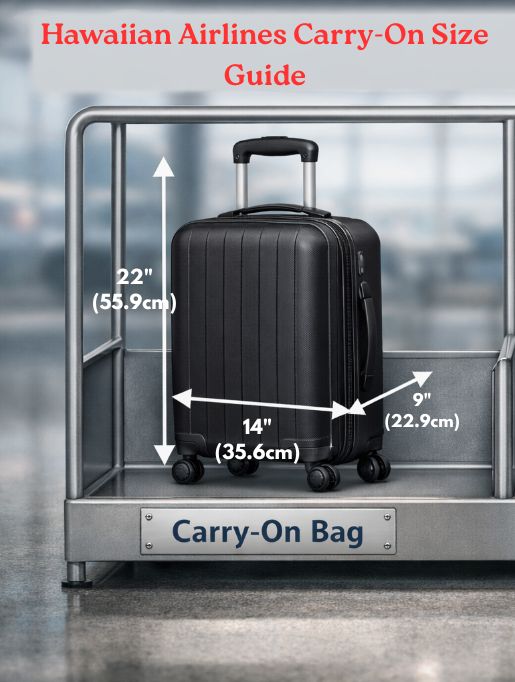
- Around 55 x 35 x 20 cm (21.5 x 13.5 x 8 inches)
- Some allow slightly wider or deeper bags
That said, this isn’t an official global rule. It’s more of a common industry range based on aircraft storage space.
So why isn’t there a universal carry-on size?
Because airlines operate different aircraft, follow different business models, and manage cabin space in their own way. A budget airline flying short routes will handle baggage very differently compared to a long-haul international carrier.
Another thing many travelers miss: even if your bag fits the size limit, it still needs to fit physically in the cabin storage. That’s where real-world issues start.

Carry-On Size Differences by Region
Carry-on size rules vary more than most people expect. Let’s break it down by region so you can plan smarter.
USA Airlines
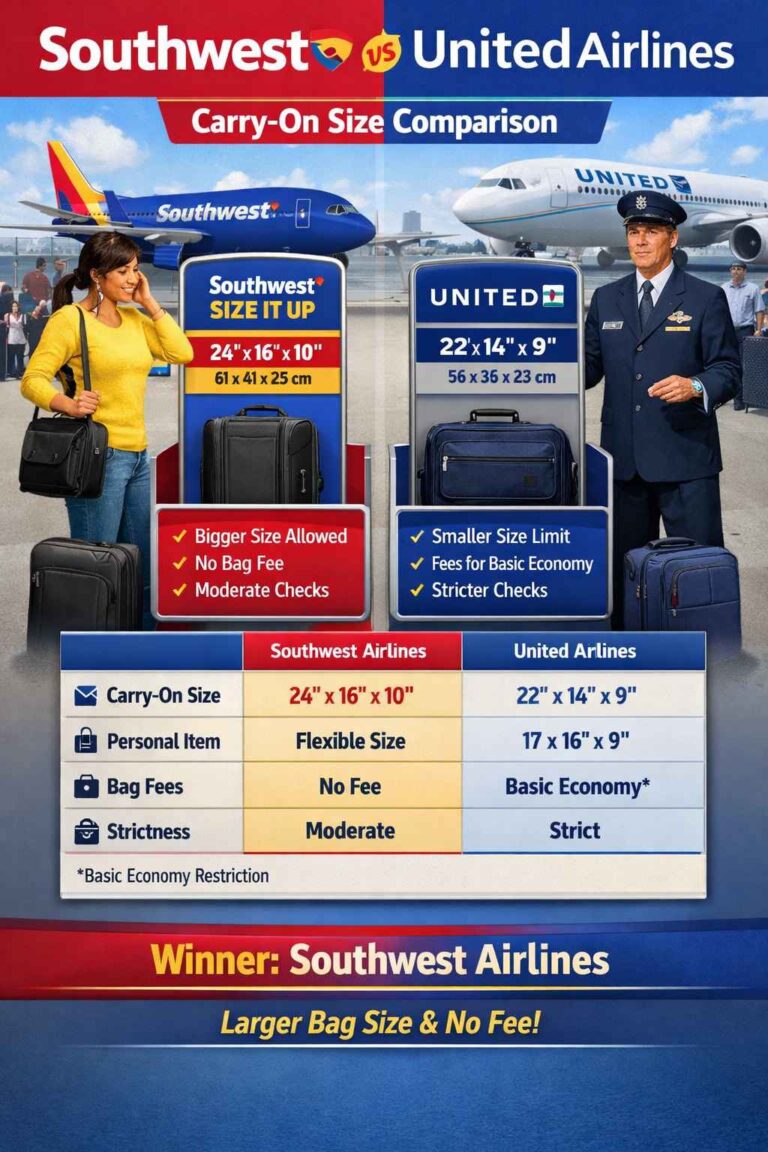
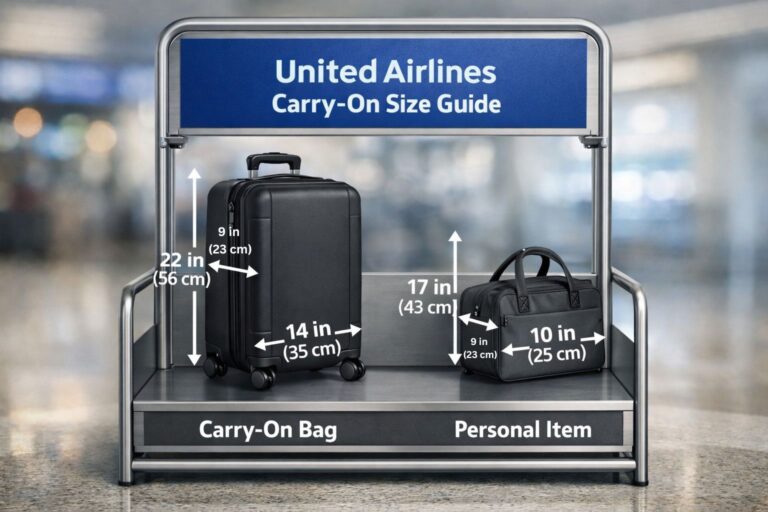
Most U.S. airlines are fairly generous with carry-on size.
Typical range:
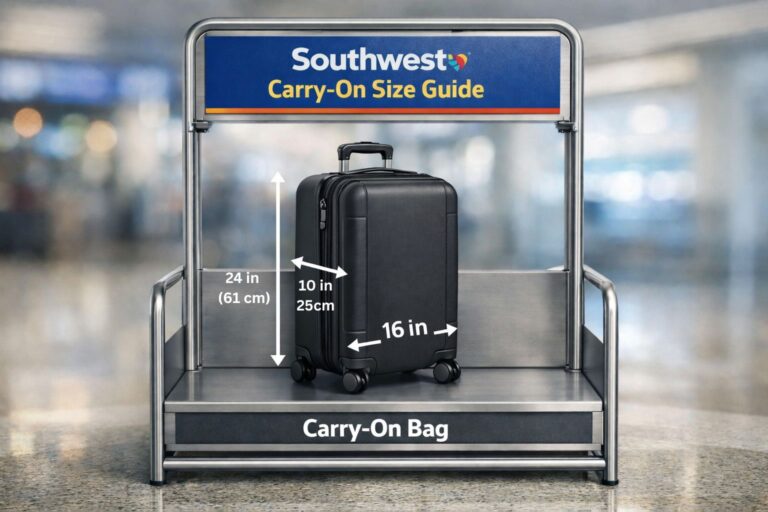
- Around 56 x 36 x 23 cm (22 x 14 x 9 inches)
- Weight limit often not specified
Airlines like Delta, United, and Alaska usually focus on whether your bag fits in the overhead bin rather than strict measurements.
Traveler insight:
From experience, U.S. airports are less likely to measure your bag unless it looks oversized. Staff often rely on visual checks.
European Airlines (Stricter)
Europe is where things start getting tighter.
Typical range:
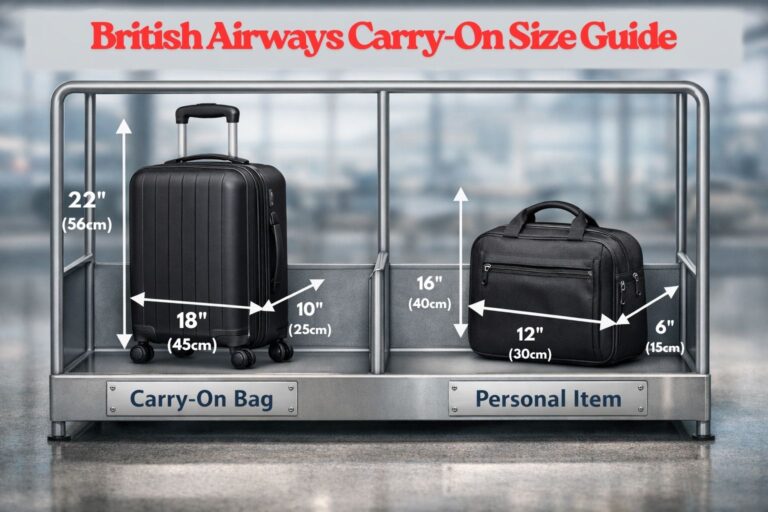
- Around 55 x 40 x 20 cm or smaller
- Low-cost carriers are especially strict
Airlines like Ryanair and easyJet often enforce size limits using sizer bins at the gate.
Key difference:
Some European budget airlines allow a smaller free bag and charge for a larger cabin bag.
Common mistake:
Travelers assume their U.S.-approved bag will work in Europe—it often doesn’t.
Asian Airlines (Size + Weight Strict)
Asian airlines tend to be the most structured when it comes to baggage rules.
Typical limits:
- Size similar to global standard (around 55 cm height)
- Strict weight limits (often 7–10 kg)
Airlines like Singapore Airlines or AirAsia may weigh your carry-on at check-in or boarding.
Traveler insight:
In Asia, even if your bag fits the size limit, you may still face issues if it’s too heavy.
Check Carry-On Size by Airline
Why Airline Carry-On Sizes Vary
There’s a reason your bag works on one airline but not another. It comes down to a few key factors.
Aircraft Size
Smaller aircraft have less overhead storage. Regional and short-haul planes often can’t handle larger cabin bags.
That’s why airlines adjust their allowed baggage size depending on fleet type.
Low-Cost vs Full-Service Airlines
Budget airlines:
- Smaller allowed size
- Strict enforcement
- Paid carry-on options
Full-service airlines:
- Slightly more flexible
- Carry-on usually included
- Less aggressive enforcement
This difference alone explains why your experience can vary so much between airlines.
Overhead Bin Space
Airlines don’t just think about your bag—they think about everyone’s bag.
If overhead bins fill up quickly:
- Larger bags may be gate-checked
- Boarding speed slows down
So airlines set size restrictions to manage space efficiently.
Real Examples from Airlines
Looking at real airlines helps make these rules clearer.
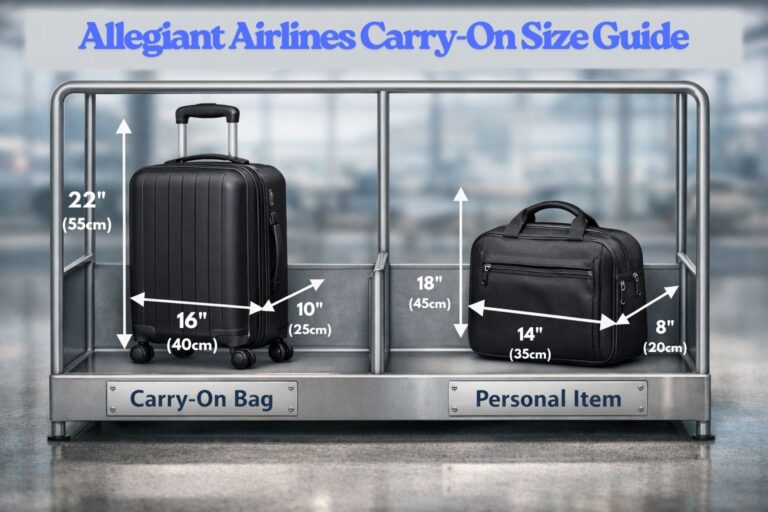
Spirit / Frontier (Very Strict)
These U.S. budget airlines:
- Charge for carry-on bags
- Enforce size limits strictly
- Use sizer bins at the gate
Even slightly oversized bags often get flagged.
Emirates (More Flexible)
Emirates allows:
- Standard carry-on size
- More flexibility depending on class
Premium passengers may get additional allowances.
Ryanair (Tight Limits)
Ryanair is known for:
- Small free personal item
- Paid carry-on options
- Strict size checks at boarding
Traveler insight:
From experience, Ryanair staff frequently check bags at the gate. If it doesn’t fit perfectly, you’ll pay.
Compare Airline Rules
Tips for International Travel
If you want a carry-on that works across most airlines, here’s what actually helps.
Choose a Smaller Universal Size
Aim for:
- Around 55 x 35 x 20 cm or smaller
This size works across most international carriers.
Avoid Expandable Bags
Expandable suitcases can exceed size limits once packed.
Many travelers measure their bag when empty, but once it’s full, it becomes too large.
Use Soft-Sided Luggage
Soft bags are more forgiving:
- Easier to fit in sizer bins
- Can compress slightly if needed
Keep Weight in Mind
Even if your airline doesn’t mention weight limits, other airlines might.
If you’re flying multiple airlines, always follow the strictest rule in your itinerary.
Check Before Every Flight
Don’t assume the same bag will work everywhere.
Always check:
- Airline website
- Ticket type
- Route (domestic vs international)
Traveler Insight
From experience, carry-on rules aren’t enforced the same way everywhere.
In the U.S., gate agents often allow slightly larger bags if they fit in overhead bins. In Europe, especially with budget airlines, enforcement is much stricter. Staff will often ask you to place your bag in a sizer before boarding.
In Asia, weight checks are more common. Even if your bag looks fine, it may still be weighed at the counter.
One thing that surprises many travelers is how quickly rules change between connecting flights. A bag accepted on your first flight might be flagged on your second.
See full carry-on size guide for all airlines.
FAQs
What is the standard international carry-on size?
Most airlines allow around 55 x 35 x 20 cm, but there is no universal rule.
Do all airlines have the same carry-on size?
No, carry-on size varies by airline, region, and fare type.
Which region is strictest with carry-on size?
European low-cost airlines and many Asian airlines tend to enforce rules more strictly.
Can I use the same carry-on bag worldwide?
You can if you choose a smaller size within global limits, but always check airline rules before flying.
What happens if my carry-on is too big internationally?
Your bag may be checked at the gate, and additional fees may apply depending on the airline.
Are carry-on weight limits the same worldwide?
No. Many U.S. airlines don’t specify weight, while Asian and European airlines often enforce strict limits.
This is why international travel requires a bit more planning than domestic flights. If you stick to a compact size and stay aware of airline differences, you’ll avoid most common baggage issues before they even happen.